What is neutral buoyancy cable used for?
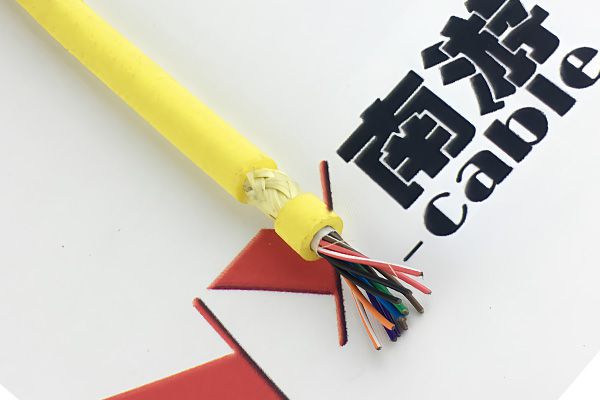
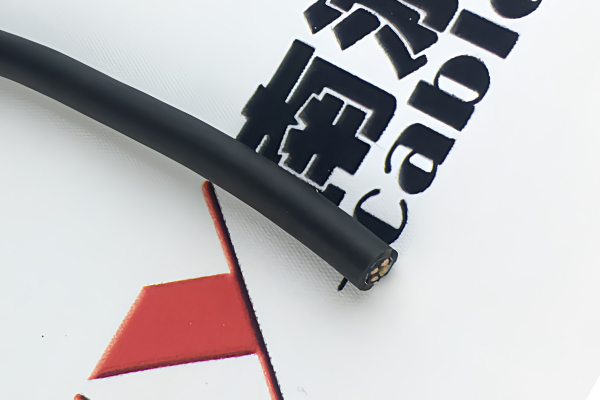
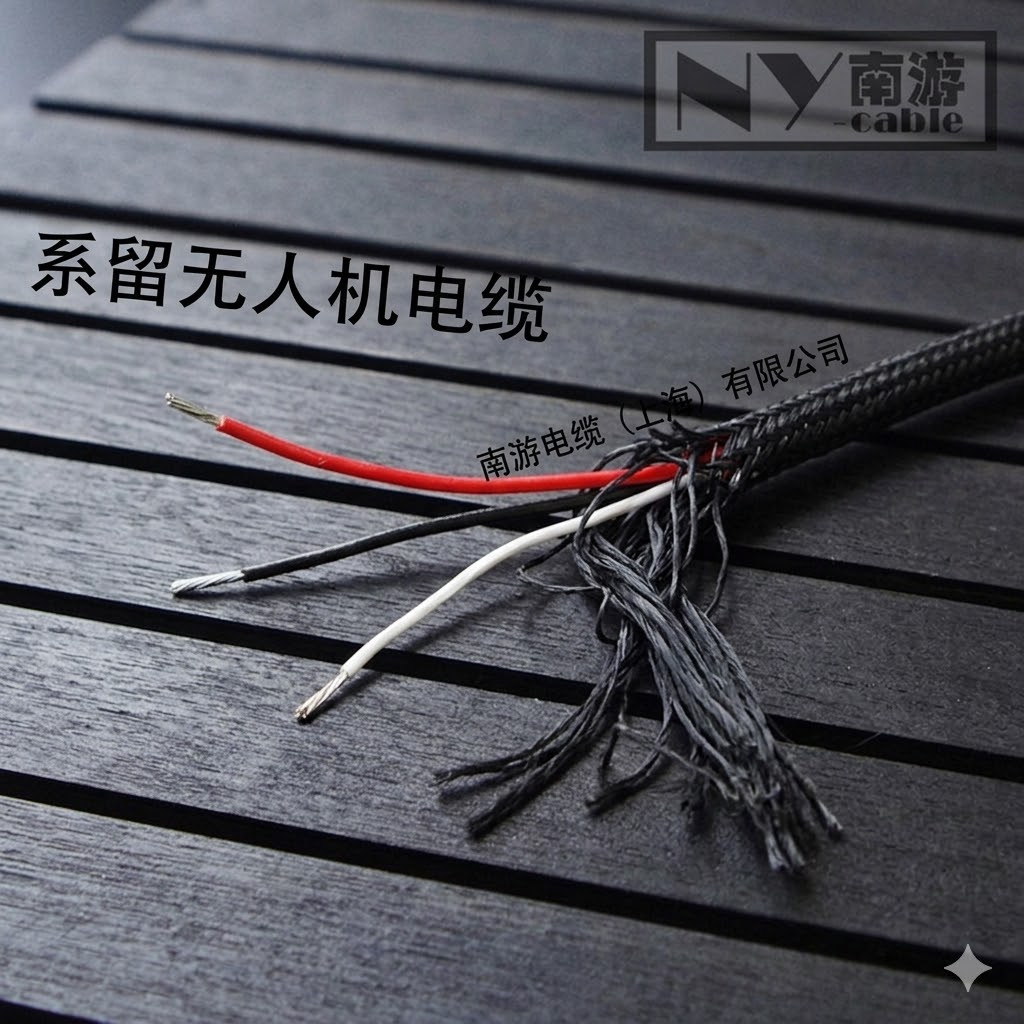
ROVs, inspection-class subsea vehicles and underwater tooling, where the weight of a standard cable would disturb vehicle trim. Density is held below 0.98 g/cm³ so the cable is close to neutrally buoyant in seawater.
What depth is it rated for?
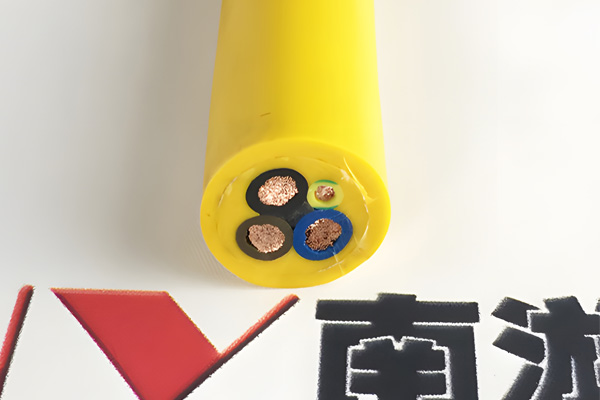
Working depth is not published as a single figure, because it is set by the construction: core count, insulation wall and aramid lay all change with the vehicle's operating depth. Send the working depth and we specify the construction against it rather than quoting a number that only applies to one build.
What is the difference between neutral buoyancy and seawater-resistant cable?
Neutral buoyancy cable is engineered around density so it does not load the vehicle. Seawater-resistant cable is engineered around water ingress and corrosion resistance, and is normally heavier than water. They solve different problems and are often used together on the same vehicle.
Are CE and RoHS documents supplied?
Yes. A CE declaration of conformity and RoHS test reports are issued with the shipment, with inspection records and a packing list.