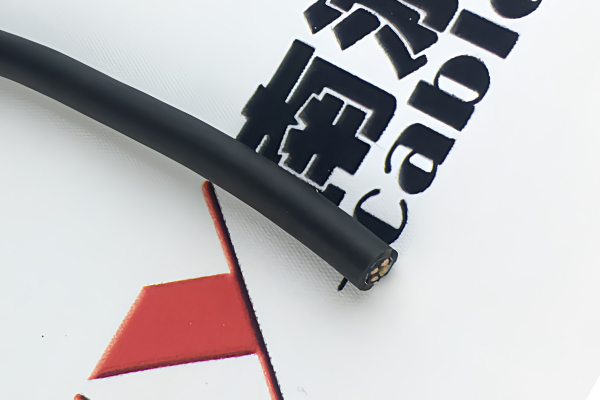
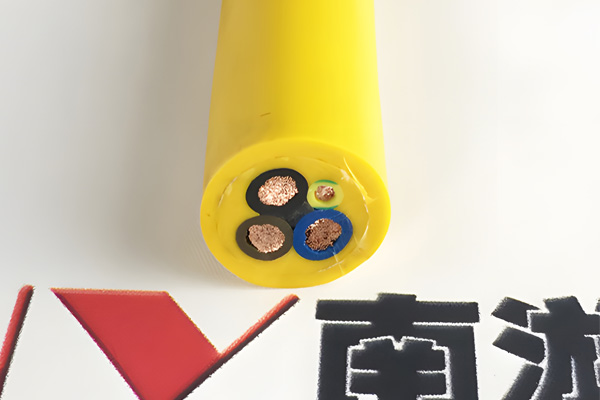
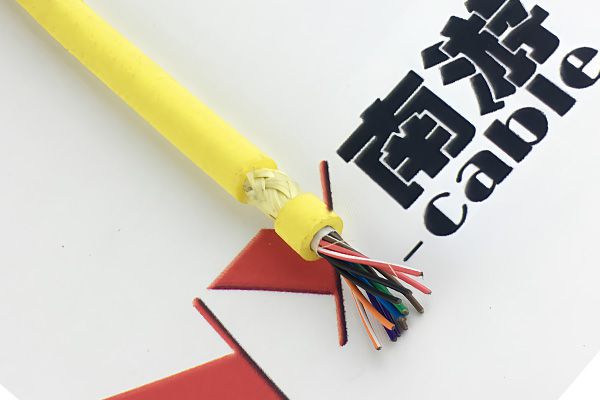
Persistent UAV power
UAV Tether Cable, 50 kN Tensile
Hybrid power and optical construction for a UAV that stays up. 50 kN tensile strength and one G.657A2 fibre in the same jacket.
50 kNTensile
G.657A2Fibre
1Core
100 mMOQ
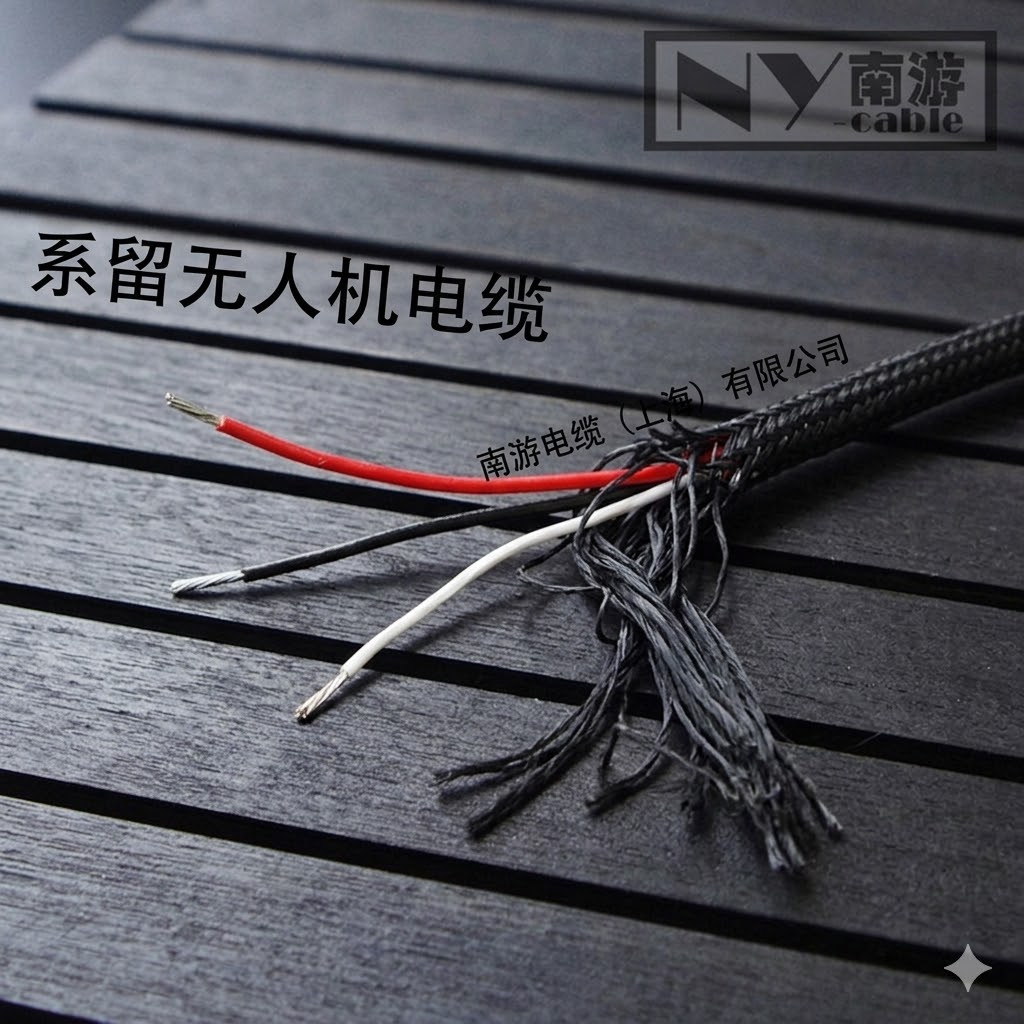
Hybrid power and optical construction for a UAV that stays up. 50 kN tensile strength and one G.657A2 fibre in the same jacket.
A tether carries three things at once: power up, data down, and the mechanical load of the aircraft. Putting them in one jacket saves the weight of separate cables, which is the whole point — every gram of tether is a gram the aircraft has to lift. The 50 kN tensile rating comes from the strength member rather than the conductors, so the copper is never load-bearing. G.657A2 fibre is specified because it tolerates the tight bend at the winch and at the airframe connection without the bend loss that standard single-mode fibre shows.
| Parameter | Value |
|---|---|
| Tensile strength | 50 kN |
| Optical fibre | 1 core, G.657A2 |
| Conductor | tinned copper |
| Insulation and jacket | TPEE |
| Operating temperature | -40 to +80 °C |
| Rated voltage | up to 1 kV |
| Standard basis | customer specification |
| Minimum order | 100 m |
Tethered flight, where endurance matters more than freedom.
UAV tether cable buying questions.
50 kN, carried by the strength member rather than the conductors. The copper is never load-bearing, so a tensile event does not stretch or break the power path.
One core of G.657A2 bend-insensitive single-mode fibre, specified for the tight bend radius at the winch and at the airframe connection.
Power capacity depends on conductor cross-section and the voltage at the winch, so it is specified per platform rather than quoted as a single figure. Send the aircraft's continuous and peak draw and the winch output voltage.
Yes. Additional fibre cores and additional copper pairs are specified per order, from 100 m.
MOQ 100 m · standard lead time 5-7 days · CE and RoHS documentation